This article is adapted from my virtual presentation, “After You’ve Seen the World: What Are You Really Searching For?”, delivered to the Travelers’ Century Club on October 17, 2026.
“Where are you going next?”
It is perhaps the most familiar question among travelers.
For many of us, finishing one journey means immediately thinking about the next. Sometimes, we are still in the middle of a trip when we begin planning another. Some of us have our travels mapped out months, even years, in advance.
Another country. Another territory. Another island. Another destination on a list, whether it is a bucket list or simply somewhere we have always wanted to go.
There is always somewhere else to explore, another experience to pursue, another place to tick off.
Like many world travelers, I spent years measuring my travels in countries visited, UNESCO World Heritage Sites, and so on.
Interestingly, I had never thought of counting countries until I had already visited around sixty. That was when I discovered that people actually kept track of such things. I learned about the Travelers’ Century Club and thought it would be wonderful to reach one hundred countries.
And so I began counting.
When I eventually reached my hundredth country, the possibility of visiting all 193 United Nations member states began to seem achievable. What once appeared extraordinary had become a realistic ambition.
So I kept going.
But somewhere along the way, after visiting over a hundred countries, a different question began to emerge in my mind.
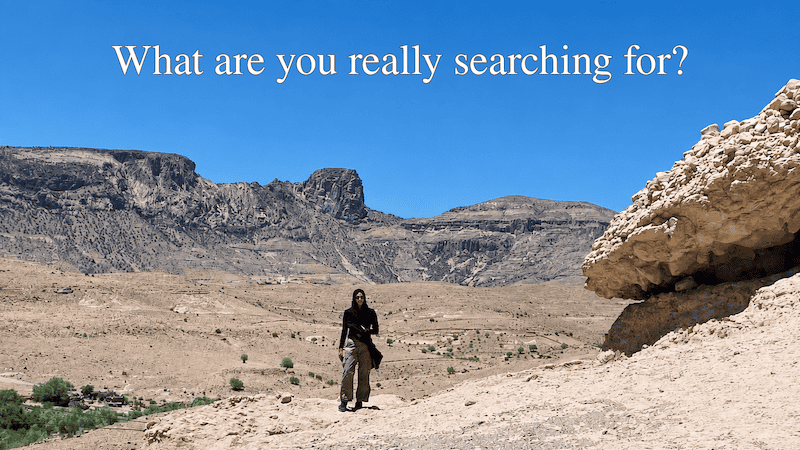
By then, I had seen extraordinary landscapes, crossed difficult borders, spent time with remote tribes, traveled through conflict zones, and tasted remarkable food from around the world. I had already experienced places and encounters that once would have seemed unimaginable.
Yet I noticed that the next destination no longer captivated me quite as much as the previous ones. Experiences that would once have filled me with wonder had become increasingly familiar. The sense of amazement I had felt during my earlier travels was becoming harder to recapture.
Meanwhile, the remaining countries were increasingly difficult, dangerous and expensive to reach.
I began asking myself why I was still going.
Was it simply to complete a list? Was I spending enormous amounts of time, energy, and money pursuing an arbitrary number? What would reaching 193 countries actually mean to me?
I wanted to believe there was something more to my journey than the satisfaction of ticking off destinations.
Gradually, the question became increasingly philosophical.
What was I really getting out of all these travels? Was I finding things that I hadn’t even known I was looking for?
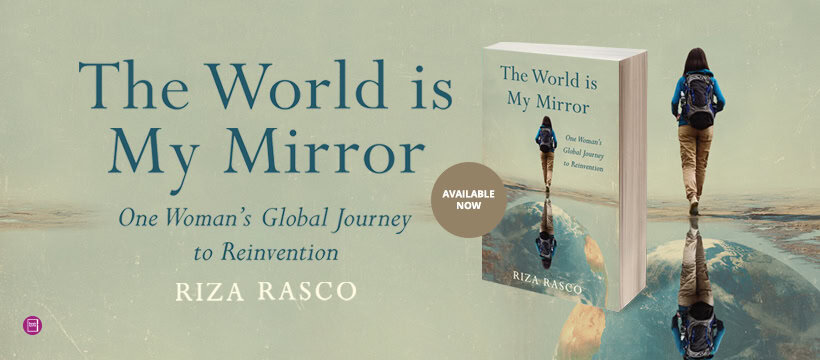
I did not have all the answers until I finally completed my journey to all 193 UN countries, with North Korea as my last, and sat down to write my now-published book, The World Is My Mirror.
Writing required me to process what had happened during those 10 intensive years of travel.
And to understand what travel had given me, I first had to remember why I had left home.
The Life I Left Behind
In my forties, I reached a difficult crossroads in my life.
I had struggled with infertility and the painful realization that I would never have children. My earlier marriage had ended, and I went through a period of depression. Then my mother was diagnosed with breast cancer, and after a two-year battle, she died. A beloved great-aunt, to whom I was very close, also died of cancer.
These losses accumulated over a relatively short period of my life.
I gradually lost my motivation at work. The life I had built, which had once seemed secure and successful, no longer brought me the same sense of fulfillment.
I was deeply unhappy.
After fourteen years of living in Wilmington, I decided to leave.
I left my job, my husband, my home, and the United States to travel.
My intention was to take a few months away, a sabbatical of sorts, to give myself some breathing room before returning to my life in Delaware.
But those few months turned into years.
I kept traveling. One journey led to another, one encounter opened the door to another experience, and the world continued to draw me farther away from the life I had known.
What was supposed to have been a temporary break became ten years of intensive travel.
And I never returned to live in Delaware.
Looking back, I realize that something far more significant had happened during those years than simply visiting countries.
My life had changed.
More importantly, I had changed.
But how?
When I began writing my book, I started to recognize seven things that travel had given me, none of which I had consciously set out to find.
1. Freedom
When I began traveling extensively in 2015, I experienced something I had not felt for a very long time.
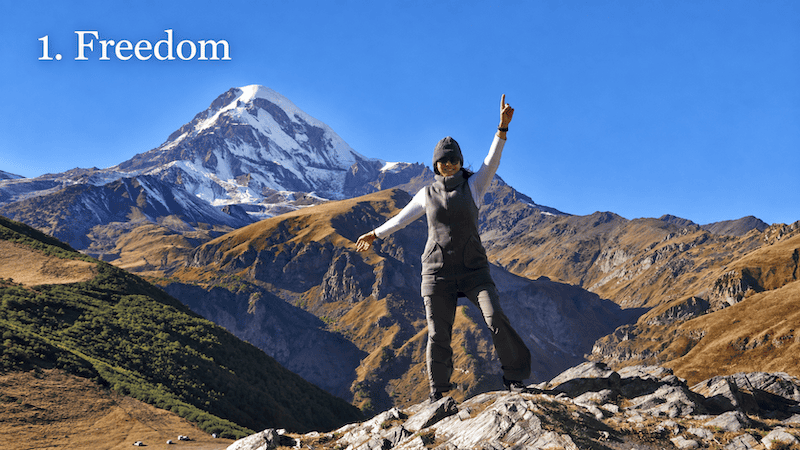
For years, my life in Wilmington, Delaware had revolved around the familiar structures of work, home, responsibilities, and routines. There was comfort and security in that life, but somewhere along the way, I had begun to feel confined by it.
Travel opened up my world again.
Every day brought movement, learning, challenges, and discovery. I could follow my curiosity, change direction, stay longer in a place that interested me, or leave when I felt ready.
My days were no longer organized around the expectations and routines that had defined my previous life.
I had the freedom to choose where to go, how to spend my time, whom to meet, and what to explore.
After fourteen years in Wilmington, I felt alive again.
What struck me most was how much of life I had come to organize around obligations, expectations, and familiar patterns.
I began to understand freedom as the ability to live with greater autonomy, to follow my curiosity, and to shape my days according to what mattered to me.
And with that freedom came, an opportunity to see my old life differently.
2. Perspective
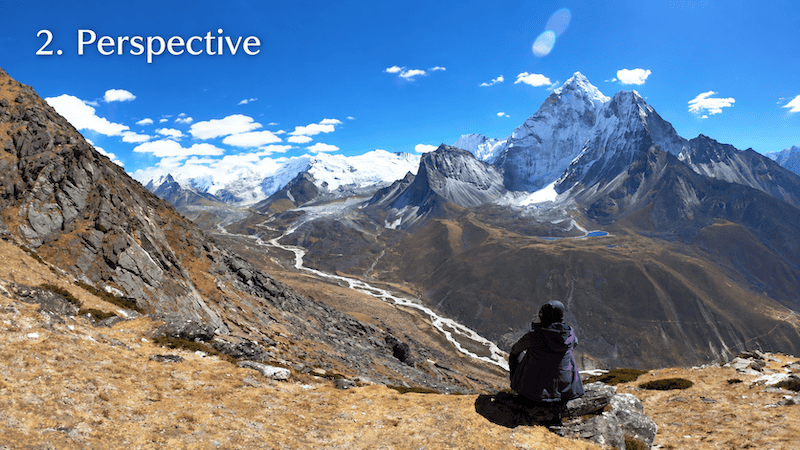
We need distance to see our lives clearly.
For fourteen years, Wilmington, Delaware, had been the center of my world. It was where I lived, worked, built relationships, experienced loss, and carried the responsibilities of everyday life.
When we remain in the same environment for a long time, our circumstances can begin to feel like the only reality available to us.
We become so immersed in the details of our lives that it can be difficult to see the larger picture.
Leaving Delaware gave me the opportunity to look back at my life from the outside.
With physical distance came emotional distance, and with that distance came clarity.
I began to examine the choices I had made, the expectations I had accepted, and the assumptions I had carried about success and happiness.
Things that had once seemed overwhelmingly important began to occupy a different place in my thinking. Other things, which I had perhaps neglected, became more meaningful.
I could see my life more clearly because I was no longer living inside its daily routines.
But travel did something more.
As I moved farther away from my own familiar world, I found myself entering the worlds of other people.
And that brought me to my third discovery.
3. Connection
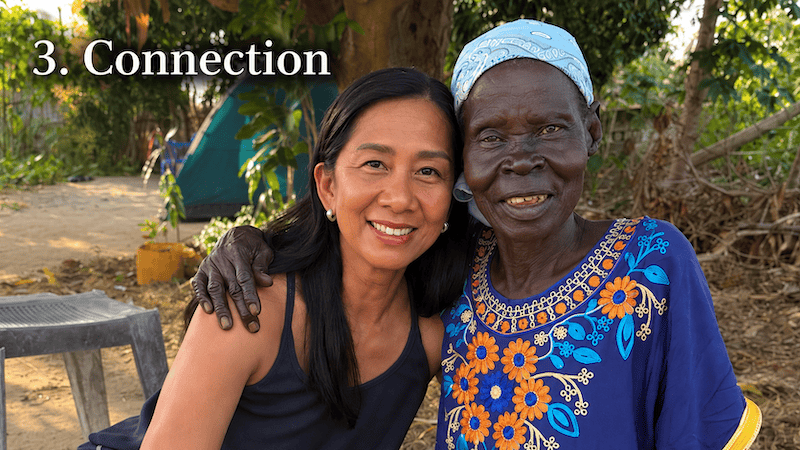
The farther I traveled, the more interested I became in people.
Gradually, my journeys became less about what I could see and more about whom I could meet.
I deliberately sought opportunities to spend time with local communities and remote tribes. I wanted to understand how people lived, what mattered to them, how their communities functioned, and how they made sense of their lives.
I became especially curious about women.
How did women in remote communities organize their daily lives? What responsibilities did they carry? What opportunities and limitations shaped their choices? How different were their lives from mine?
I found myself drawn to these encounters, often spending time in communities that other travelers might pass through briefly or never visit at all.
Among fellow travelers, I eventually became known for venturing deeply into tribal and local communities.
And the more time I spent with people whose lives seemed vastly different from my own, the more I began to recognize what we shared.
Across differences in culture, religion, geography, and economic circumstances, I repeatedly encountered familiar human needs and aspirations.
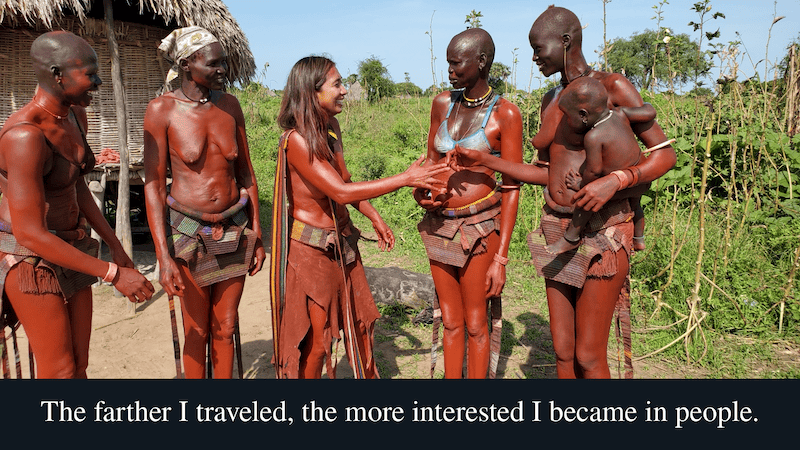
People wanted food and shelter, safety for their families, love and companionship, dignity, and a better future for their children.
The circumstances of their lives might have been dramatically different from mine, but the underlying human concerns were often recognizable.
These encounters changed the way I experienced travel.
I began to feel that visiting a place without engaging with its people meant missing something essential about it.
Travel awakened in me a deeper need to connect and belong.
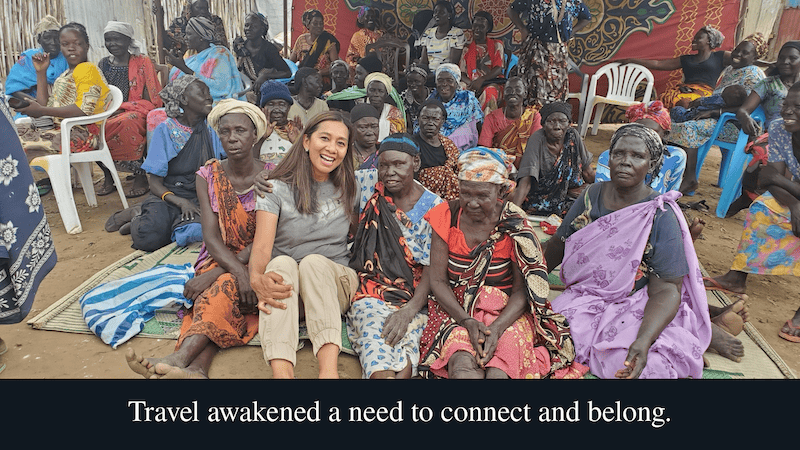
It also stirred a growing curiosity about communities themselves: how they were formed, what held them together, and how people worked collectively to improve their circumstances.
I did not realize it then, but these experiences were planting the seeds of my later work in building communities.
At the same time, as I entered more deeply into other people’s worlds, their lives began to reflect my own life back to me.
4. Self-Understanding
Travel places us in unfamiliar environments, often far removed from the identities we have spent years constructing.
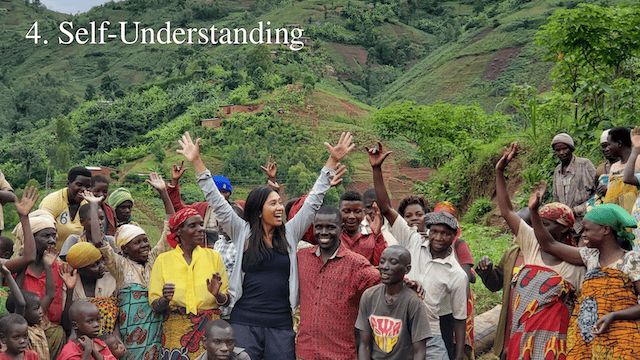
At home, much of who we are is reinforced by the people and circumstances around us.
We have our professions, qualifications, possessions, families, social circles, and reputations. People know our history. They know what we do, where we belong, and what is expected of us.
But what happens when we leave all that behind?
In remote communities, surrounded by people who knew nothing of my background, I began confronting questions I had rarely considered so directly.
Who am I without my professional title?
Without my comfortable home and belongings?
Without my family or the people who know my history?
Without the social expectations I had spent years learning to fulfill?
Who am I when none of the familiar markers of my identity matter?
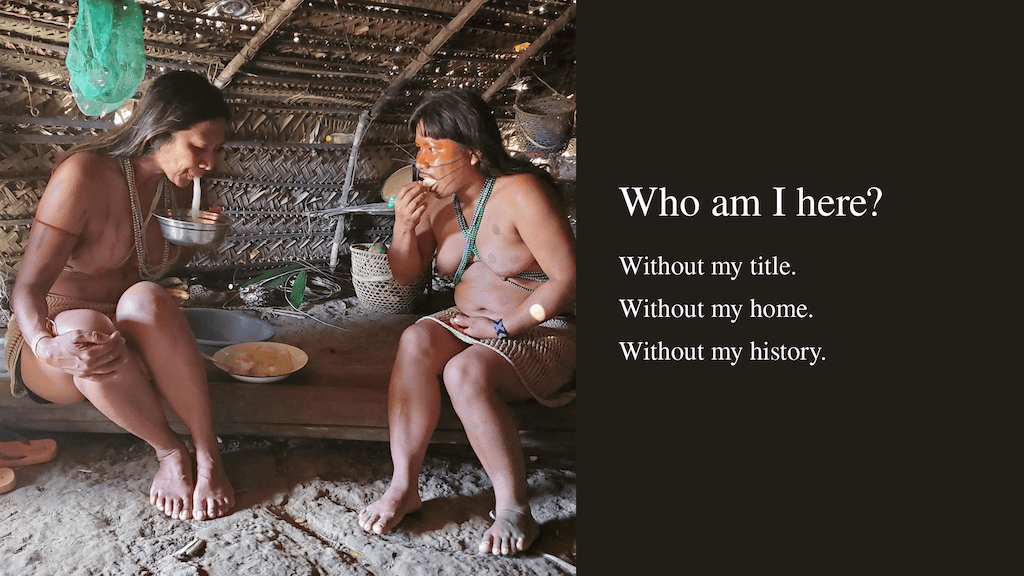
In those environments, the external structures of my life fell away.
I was simply another human being, trying to understand and connect with others.
I encountered life in some of its most elemental forms, where daily concerns revolved around survival, family, relationships, and community.
And I found myself questioning assumptions I had long held about success, happiness, belonging, and purpose.
My encounters with women were particularly revealing.
Even when our lives appeared completely different, I recognized familiar experiences of womanhood, resilience, responsibility, love, loss, and the desire for continuity across generations.
Their lives prompted me to reflect on my own, including the expectations I had carried about becoming a mother and the meaning I had attached to that role.
I began to understand that our values, fears, strengths, and desires often become more visible when we are removed from familiar surroundings.
Travel had given me countless opportunities to observe other ways of living. In the process, it had also challenged me to examine my own.
I had spent years discovering more of the world. Without realizing it, I was also discovering more of myself.
This realization eventually inspired the title of my book, The World Is My Mirror.
The people and places I encountered had become mirrors through which I could better understand my own life.
And as that understanding deepened, another question naturally followed.
What should I do with everything I was learning about myself?
5. Meaning
There came a point when visiting another country, however interesting, no longer felt entirely satisfying on its own.
I still loved exploring. I remained curious about the world. But I increasingly wanted my journeys to amount to something beyond the experiences I collected.
I wanted to contribute.
I began looking for opportunities to share what I knew, support local initiatives, and leave something useful behind.
In Togo, for example, I helped train women to become tour guides.
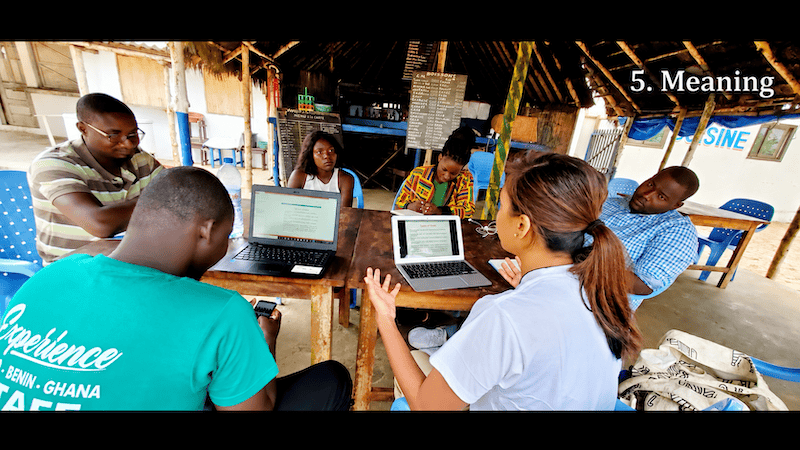
It was a relatively small contribution, but the experience stayed with me. I could see how knowledge, encouragement, and opportunity might help women participate more fully in their local tourism economy.
Experiences like this gave my travels a different kind of satisfaction.
They allowed me to become involved in the lives of people I encountered, even if only in modest ways.
I began to appreciate that meaning does not necessarily arrive through some extraordinary revelation.
Often, it grows from the things we choose to care about.
First, we recognize that something matters. We invest our time and energy in it. We take action, build relationships, and make a contribution.
Through that involvement, meaning develops.
I had spent years asking what the world could show me.
Increasingly, I began asking what I could offer in return.
Meaning became another measure of a worthwhile journey, alongside the places I had visited.
And once I began looking beyond the destination itself, travel revealed something even more powerful.
Possibility.
6. Possibility
One of the most profound lessons travel taught me is that there is more than one way to live.
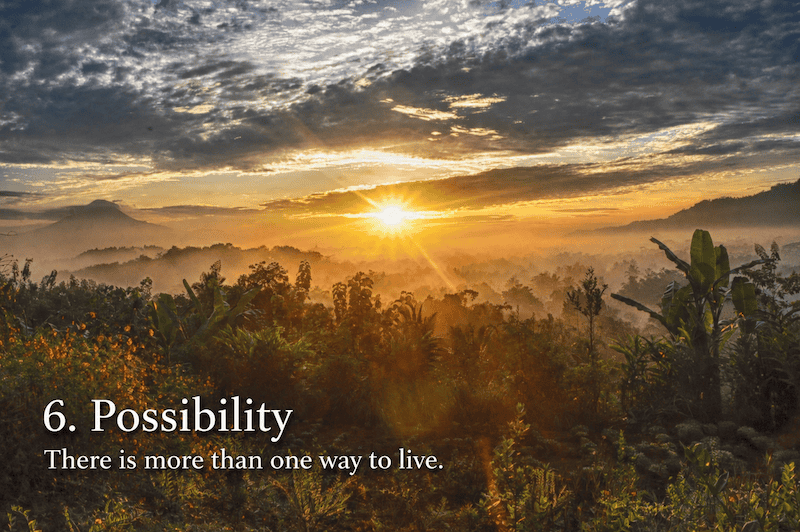
This may sound obvious, but I think it is something we rarely appreciate fully until we encounter lives that are radically different from our own.
We grow accustomed to our circumstances. Our careers, families, communities, and social environments continually reinforce a particular understanding of how life should unfold.
We follow familiar paths, often without questioning how many alternatives might exist.
Sometimes, we cannot imagine another life simply because everything around us reinforces the one we already have.
Travel disrupts that familiarity.
It exposes us to different ways of organizing families, building communities, earning livelihoods, finding happiness, and defining success.
It reminds us that the choices we have made are only some of the choices available.
And if there are many ways to live, then perhaps there are also many ways I could live.
That realization was liberating.
I began to see that the life I had left behind in Wilmington, Delaware, did not have to determine the rest of my life.
My education, career, relationships, and experiences were all part of who I was, but they did not have to define the limits of who I could become.
I could choose another direction.
I could build something new.
And eventually, I did.
Through my travels, I began developing Explore Africa for Impact, an initiative that brought together exploration and opportunities to contribute to local communities in West Africa.
For the first time, I was creating something of my own around an idea I deeply believed in.
It was an important discovery.
I realized how much I enjoyed creating, building, organizing, and leading initiatives that reflected my values.
These were abilities and interests that my previous life had never fully allowed me to explore.
Travel had opened my eyes to possibilities, but acting on them was what began changing my life.
And this is where I believe travel offers something important to all of us.
Think about the possibilities your own travels have revealed.
Perhaps you have encountered a way of living that appeals to you. Perhaps you have met someone whose choices challenged your assumptions. Perhaps you have discovered an interest, an ability, or an ambition you had never previously considered.
Maybe you have always wanted to write, teach, learn a language, create something, start an organization, live somewhere else, change careers, or even build a micronation.
Perhaps you want to repair a relationship, spend more time alone, reconnect with people you love, or simply live at a different pace.
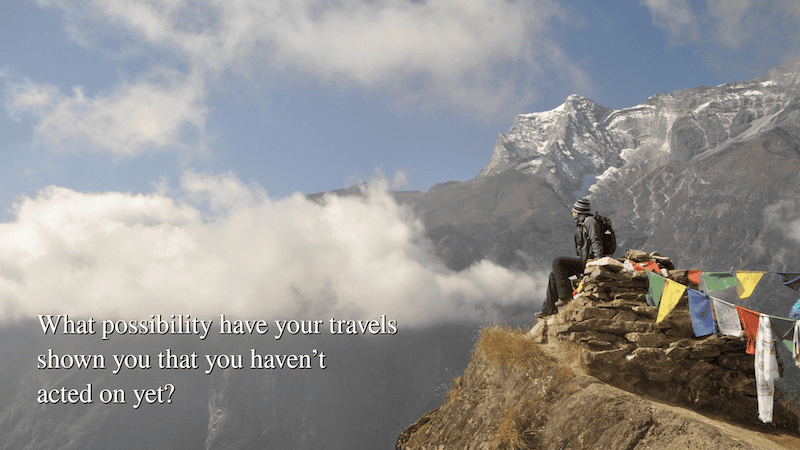
What possibility have your travels shown you that you have not yet acted upon?
We often assume that the next great journey must involve another destination.
But perhaps it requires making a choice about the life we are already living.
There will always be somewhere else to go. Another country to visit. Another experience to pursue.
Yet we do not have unlimited time.
And our lives are not finished simply because we have reached a certain age, achieved what was expected of us, or become the person everyone knows us to be.
We retain the ability to choose another direction.
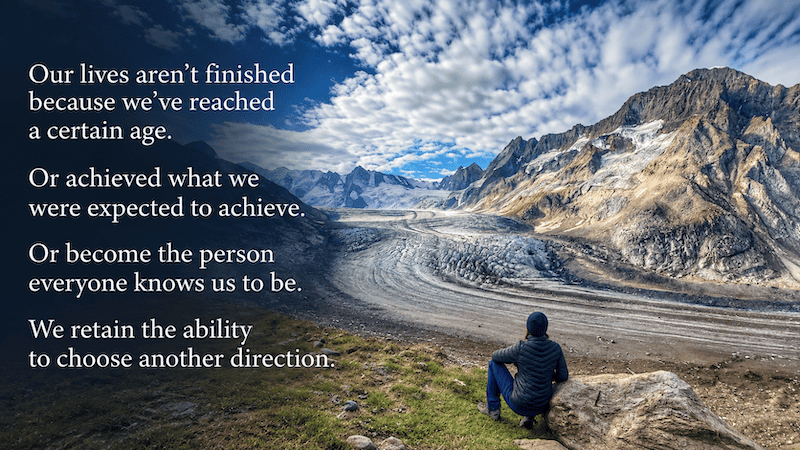
We can begin again, build something different, or discover capacities within ourselves that have remained unexplored.
That is what I came to understand through my own journey.
Give yourself the chance, in this lifetime, to do something else.
Your next great journey may not require another stamp in your passport.
It may require acting on something the world has already shown you.
And when we begin turning those possibilities into action, we may discover something even more enduring.
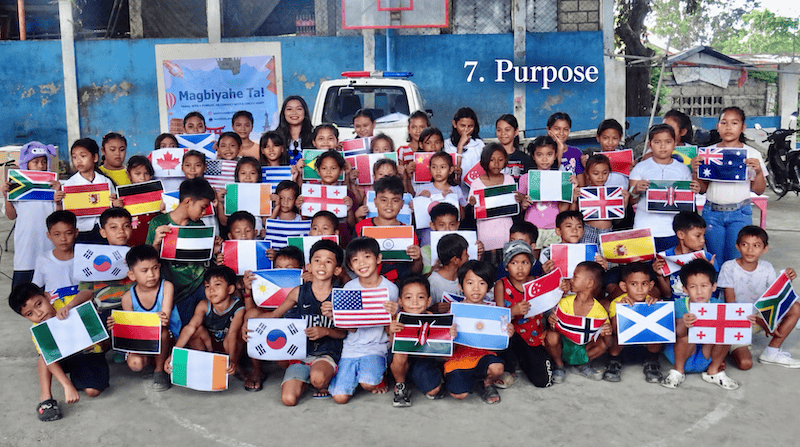
7. Purpose
Over time, the desire to build something meaningful through travel evolved into a larger commitment.
I co-founded and built the Philippine Global Explorers (PGE), a community of Filipino travelers who share a passion for discovering the world.
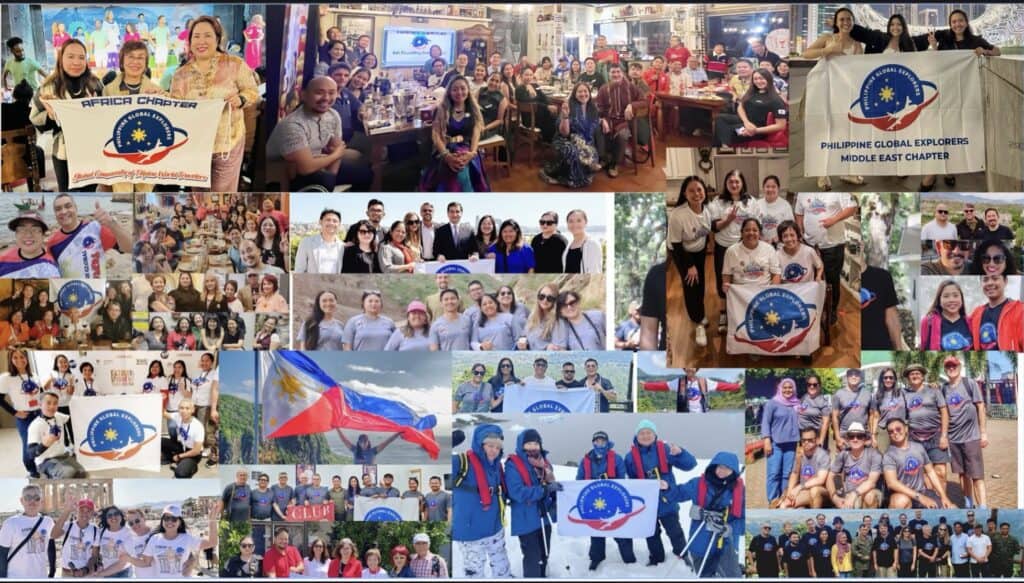
I wanted us to use our collective experiences, networks, and resources to make a positive difference in the communities we encountered.
Through PGE, we began developing projects that support education, community development, and opportunities for people in different parts of the Philippines.
Our initiatives have included providing educational resources to underserved communities, supporting students through scholarships, and organizing community projects across the country.
This work has become deeply meaningful to me.
And in ways I did not initially recognize, it has also helped me make peace with a painful part of my own life.
For many years, I had imagined that one of the great purposes of my life would be raising children.
When that did not happen, I struggled with the loss of that imagined future.
It was difficult to let go of a life I had expected to live.
But through building communities, supporting education, and helping create opportunities for others, I gradually discovered other ways to nurture, contribute, and invest in the future.
I found fulfillment in helping people grow, in bringing people together, and in building initiatives that might continue to benefit others long after my direct involvement.
It gave me a different understanding of purpose.
We often talk about finding our purpose, as though each of us has one predetermined calling hidden somewhere in the world, waiting to be discovered.
I have come to see purpose differently.
Purpose is something we create.
It grows from the things we care about, the responsibilities we choose to take on, and the contributions we decide to make.
It can evolve as our lives change.
The purpose that gives meaning to one chapter of our lives may be different from the purpose that sustains us in another.
And perhaps that is one of the most reassuring realizations of all.
We are not limited to a single version of a meaningful life.
The life I imagined in Wilmington, Delaware, did not unfold as I had hoped.
But another life emerged, one I could never have anticipated when I first packed my bags for what was supposed to be a short sabbatical.
Travel helped me recognize that possibility.
And the choices I made afterward helped me turn it into something real.
Conclusion
So let me return to the question that began this reflection.
“Where are you going next?”
For years, my answer was always another destination.
Another country. Another territory. Another place I had yet to visit.
I still love traveling, and I remain as curious about the world as ever.
But after visiting every country in the world, I have come to appreciate that the most important things I gained from travel were never the numbers themselves.
They were the things I discovered along the way.
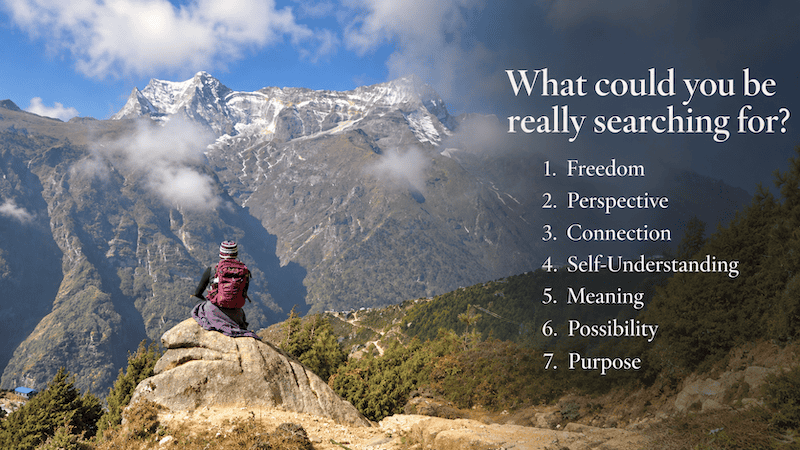
Freedom — to make choices and live beyond the routines that had once defined me.
Perspective — to see my life more clearly by stepping outside it.
Connection — to recognize our shared humanity and the importance of belonging.
Self-Understanding — to discover who I was beneath the identities and expectations I had accumulated.
Meaning — to find fulfillment in contributing to something beyond my own experiences.
Possibility — to recognize that there are many ways to live and that I still had the power to choose.
Purpose — to build something worthwhile from the things I had learned and the values I had come to embrace.
Seven discoveries that gradually changed the direction of my life.
And perhaps, taken together, they point toward something even more fundamental.
Perhaps what we are ultimately searching for is a fuller understanding of ourselves.
Travel gave me the distance to understand where I had been, the encounters to understand who I was, and the courage to imagine what I might still become.
That, to me, is the essence of Reinvention Through Travel™.
We spend enormous amounts of time, energy, and resources getting to places.
We plan itineraries, cross borders, endure difficult journeys, and pursue experiences that expand our understanding of the world.
But perhaps travel’s greatest gift is its ability to show us possibilities we could never have imagined from home.
And what we do with those possibilities is ultimately up to us.
No matter how far we have traveled, or how much of life we have already lived, there may still be parts of ourselves waiting to be discovered.